
How (and why) to build a company in 2 weeks
A full step by step breakdown to starting your own thing in 2 weeks.


Hey there!
If you’re reading this, you probably have a job you’re not psyched about and an idea rattling around in your head that you don’t know what to do with. I’ve been there.
I’m going to walk you through exactly how I built my own app, Chalk, in two weeks.
What worked, what was a massive waste of time, and the specific tools and templates I used. You can take all of it. This is what I wish someone had handed me before I started.
A little context on who I am and why I built this
I spent years in B2B sales. Eventually helped scale a company from $30M to $450M in ARR. I hired and onboarded 80+ reps. I ran enablement. I sat in on hundreds of calls. And the thing that kept bugging me was simple: sales training is broken.
We’d fly a team to a resort, run a two-day offsite, spend $500K on a methodology firm, get everyone hyped — and then watch reps go right back to doing exactly what they were doing before. Nothing stuck. Not because the content was bad. Because that’s just not how humans learn.
I knew what actually works. Short daily practice. Repetition. Feedback loops. Accountability. That’s it. Duolingo figured it out for language learning. Nobody had done it for sales. So I built Chalk.
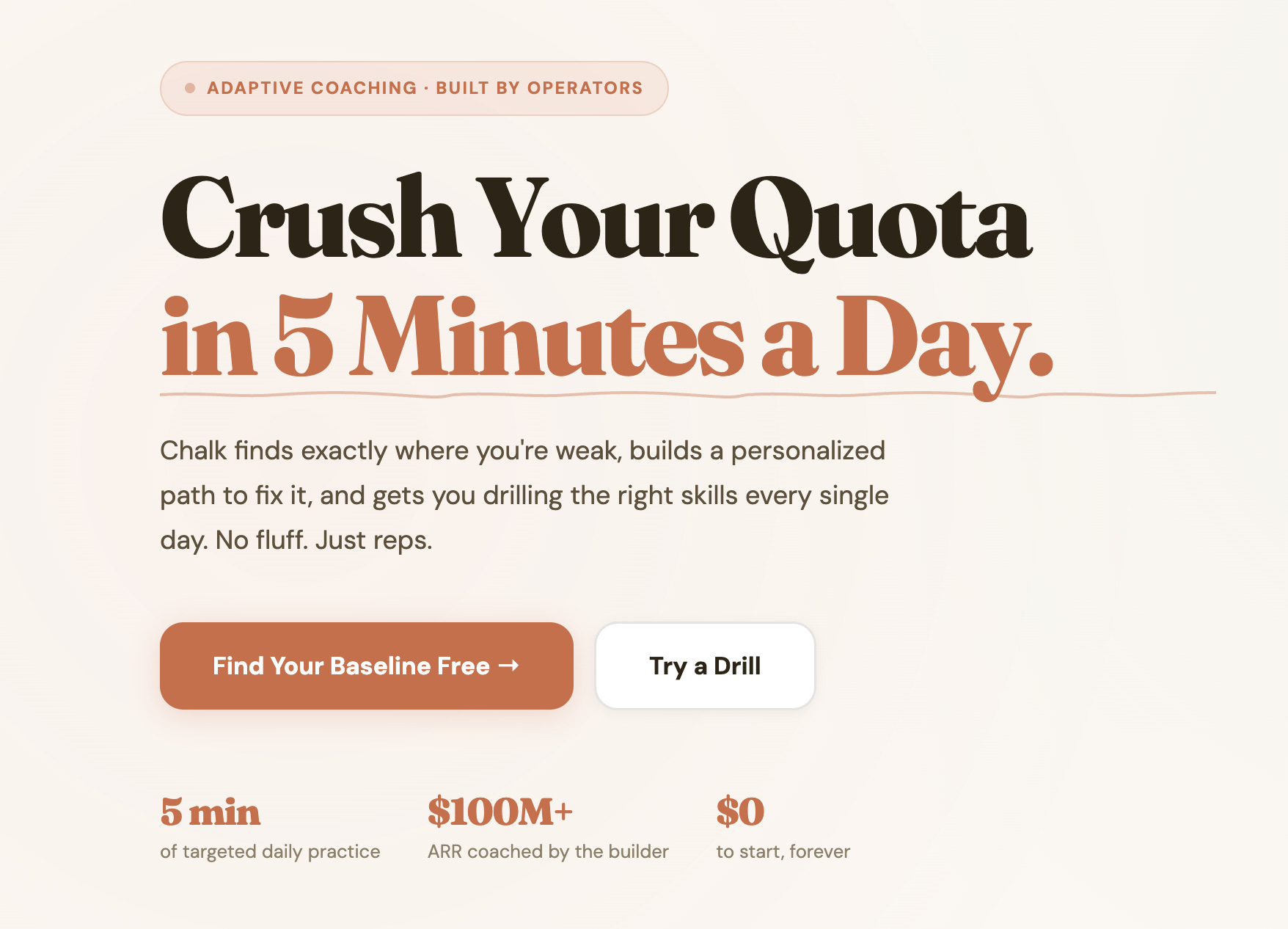
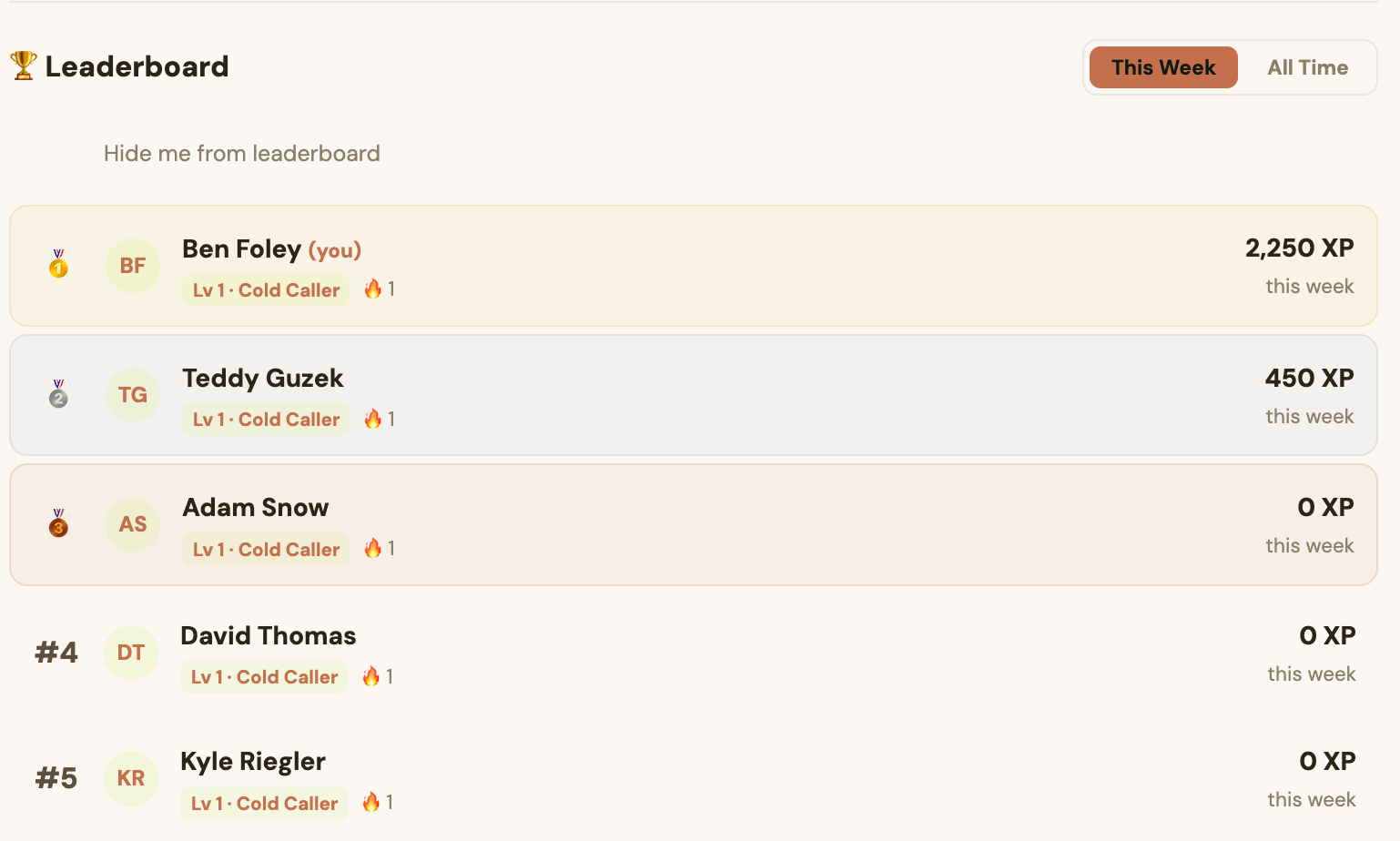
Chalk is a gamified B2B sales training platform. Reps do 5-minute daily drills. AI analyzes their gaps and gives each person a personalized path. Managers get a leaderboard and real visibility into who actually knows their stuff.
The mistake I made. Don’t do this!
I had the idea. I thought it was good. I started building. I spent two weeks putting together the actual product — the logic, the UI, the drill flow, all of it. I was proud of it.
Then I showed it to people. Nobody would buy it.
Do not build anything until someone has told you they will pay for it. Not that they like it. Not that it’s a cool idea. That they will actually pay.
This is not a new lesson. Every startup book tells you this. Every founder podcast tells you this. I still did it wrong. You probably will too if you’re not careful. So let me be clear: your first job is not to build. Your first job is to find people who will pay.
Two things I should have done before touching any product tool:
1/ Build an audience of people who might care about the problem I was solving
2/ Talk to them and ask if they’d buy it — before building a single thing
Everything below is the order I wish I’d done it in.
Step 1: Build an audience before you build a product
This is the most boring advice and also the most important. You need to build an audience of people who share the problem you’re trying to solve. Not friends. Not family. Not people who will be nice to you. People who actually live in the problem every day.
For me that meant VPs of Sales, team leads, revenue leaders at Series A through C companies. Those are my people. I needed to find them and start talking before I built anything.
The tool: Substack
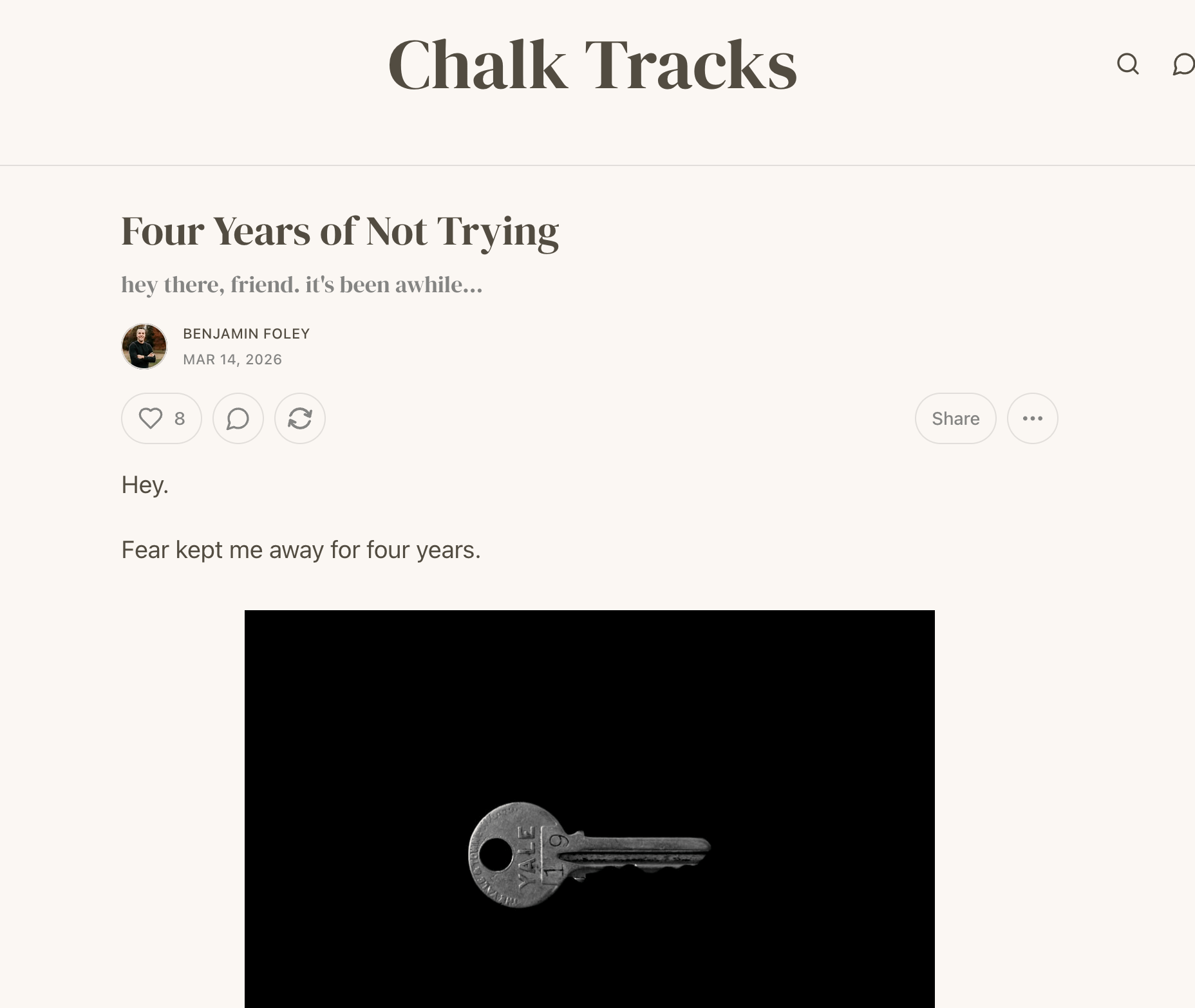
Substack is free. It takes 20 minutes to set up. And it is the single best way to start building an audience of people who care about what you’re thinking about. You don’t need to be a writer. You just need to be honest and useful.
Here’s what I’d do if I were starting today:
Pick one specific problem your audience deals with. Not “sales is hard.” Something specific — like why reps forget everything from training within 30 days.
Write a post about it. 400–600 words. Share what you actually know. Don’t try to sound smart. Just be direct and useful.
Post it. Share it in two or three places where your people hang out — LinkedIn, a Slack group, a community forum.
Do that every week. Not every day. Every week.
After 4–6 posts you will have a list of people who actually care about the problem. Those are your first conversations.
The real goal of the newsletter isn’t to become a content creator. It’s to build a list of warm contacts who already know you understand their problem. When you message them later and ask if they’d pay for a solution, it’s not cold outreach — it’s a conversation with someone who already trusts you a little.
Step 2: Do discovery outreach before you build anything
Once you have even a small list (20 will do), start talking to them. Not pitching. Not selling. Asking. This is called customer discovery, and most people skip it or do it badly.
The goal is not to validate your idea. The goal is to understand the problem deeply enough that your solution actually solves something real.
The outreach template
Adam Robinson from Retention.com talks about this framework in his content and it’s the cleanest outreach approach I’ve found. The structure is simple: be a real person, name the problem, ask for time. No pitch. No deck. No “I’d love to pick your brain.”
Here’s the message:
Hey [First Name],
I’ve been following your work at [Company] — congrats on [specific recent thing: a hire, a post, a funding round, a launch].
I’m working on something in the [sales enablement / sales training] space and I’m trying to talk to as many people as I can who actually run sales teams before I build anything.
Not looking to pitch you. Just trying to understand if the problem I’m seeing is real for teams like yours. Would you be open to a 20-minute call this week?
[Your name]
That’s it. It’s short. It’s honest. It doesn’t pretend. And it works because nobody is asking people to share their real problems — everyone else is pitching immediately.
What to ask on the call
You have 20 minutes. Ask these 5 questions. These come from Adam Robinson’s great YouTube channel on building a SaaS company in 2026.
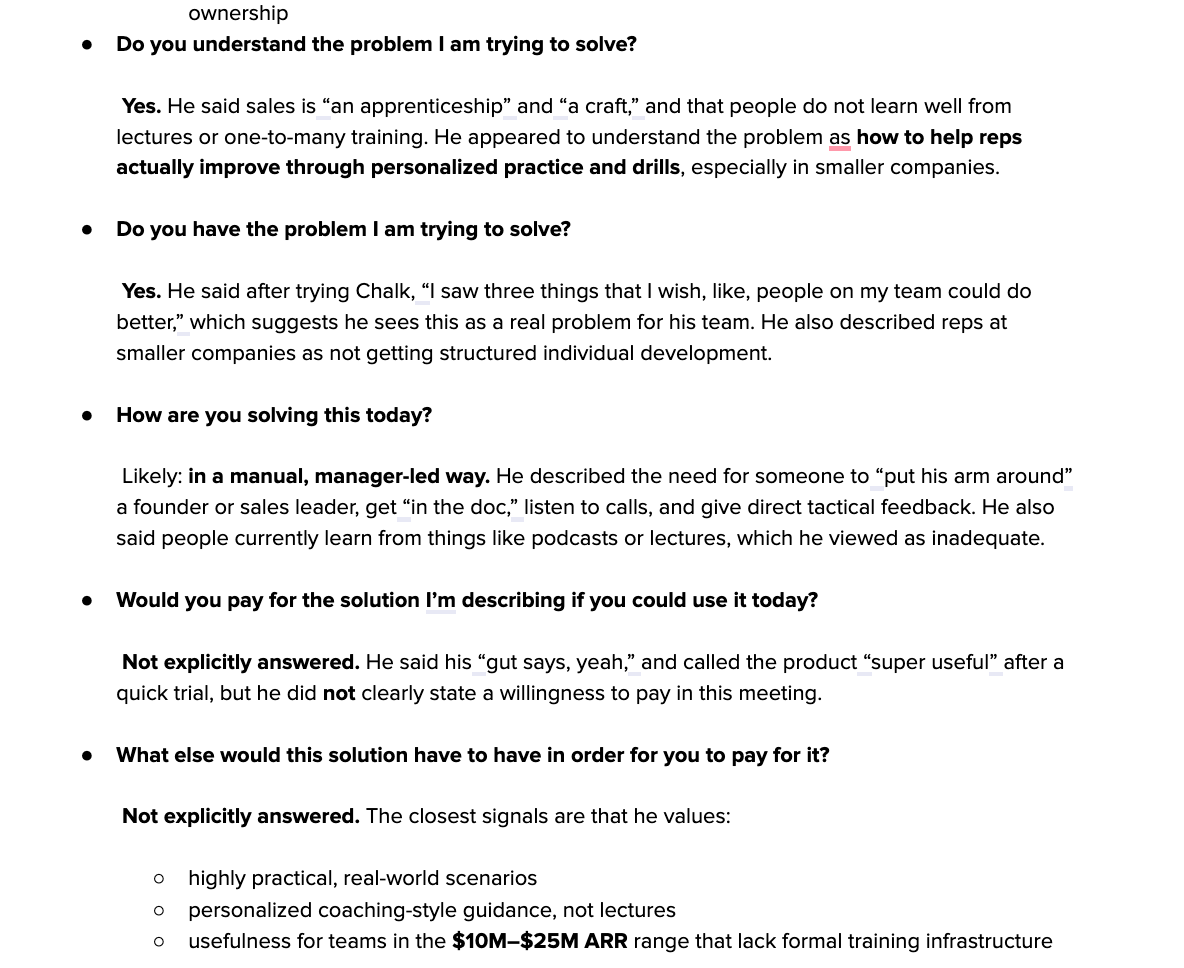
Do you understand the problem I am try to solve?
Do you have the problem I am trying to solve?
How are you solving this today?
What else would this solution have to have in order for you to pay for it?
Near the end, ask one more question: “If I built something that solved exactly what you described, would you pay for it?”
This is THE key question. Not if they are interested. Not if they think it is cool. Not even if they want to use it.
No, will they pay you for it TODAY if you could get it to them.
Do this with 15–20 people before you write a single line of code or touch any design tool. The thing I built that nobody wanted? I talked to four people and heard mostly positive reactions. Four people is not a signal. Fifteen honest conversations is a signal.
Step 3: Now you can actually build — here’s how I did it fast
Okay. You’ve talked to enough people. You’ve heard the same pain point in enough different ways. You know what you’re building and you know someone will pay for it. Now you can build.
Here’s the stack I used. All of it is fast, cheap, and doesn’t require you to be a developer.
Polsia — [my referral link here] This is the main tool I used to actually build the product. It handles the app infrastructure, hosting, and the backend without you needing to write code from scratch. Genuinely the thing that made this possible on the timeline I had.
Claude Design — I used this to build all the design elements, generate copy, think through product logic, and move fast on things that would have normally taken me days. Claude design is so killer. It helps you build fonts, brand colors, even full UI wireframes. Try this out.


Substack — already set up in Step 1 It becomes your ongoing distribution channel as you build. Every time you ship something new, your audience is there to see it.
LinkedIn — free, already where your customers are. Post about what you’re building, what you’re learning, and what surprised you. People root for founders who are transparent about the journey.
The one rule I kept for what to build first
I did not try to build everything. I picked the one thing that would prove the concept and built only that.
For Chalk, that was the drill experience. If a rep couldn’t sit down, open the app, do a five-minute drill, and walk away feeling like they actually learned something — nothing else mattered. The gamification, the leaderboards, the manager dashboards — all real, all in the product — but they came after I knew the core experience worked.
Your MVP is working when a stranger can use it without you explaining anything and they come back on their own the next day. Not “it has all the features.” Not “it looks great.” They came back without being asked.
Step 4: What I built and why it’s different
Every VP of Sales I talked to said some version of the same thing: we spend a lot of money on training and we can’t tell if it’s working. No visibility. They didn’t know which reps had actually internalized the methodology and which ones were faking it in pipeline reviews. They knew results — but by the time those numbers show up, it’s too late to fix anything.
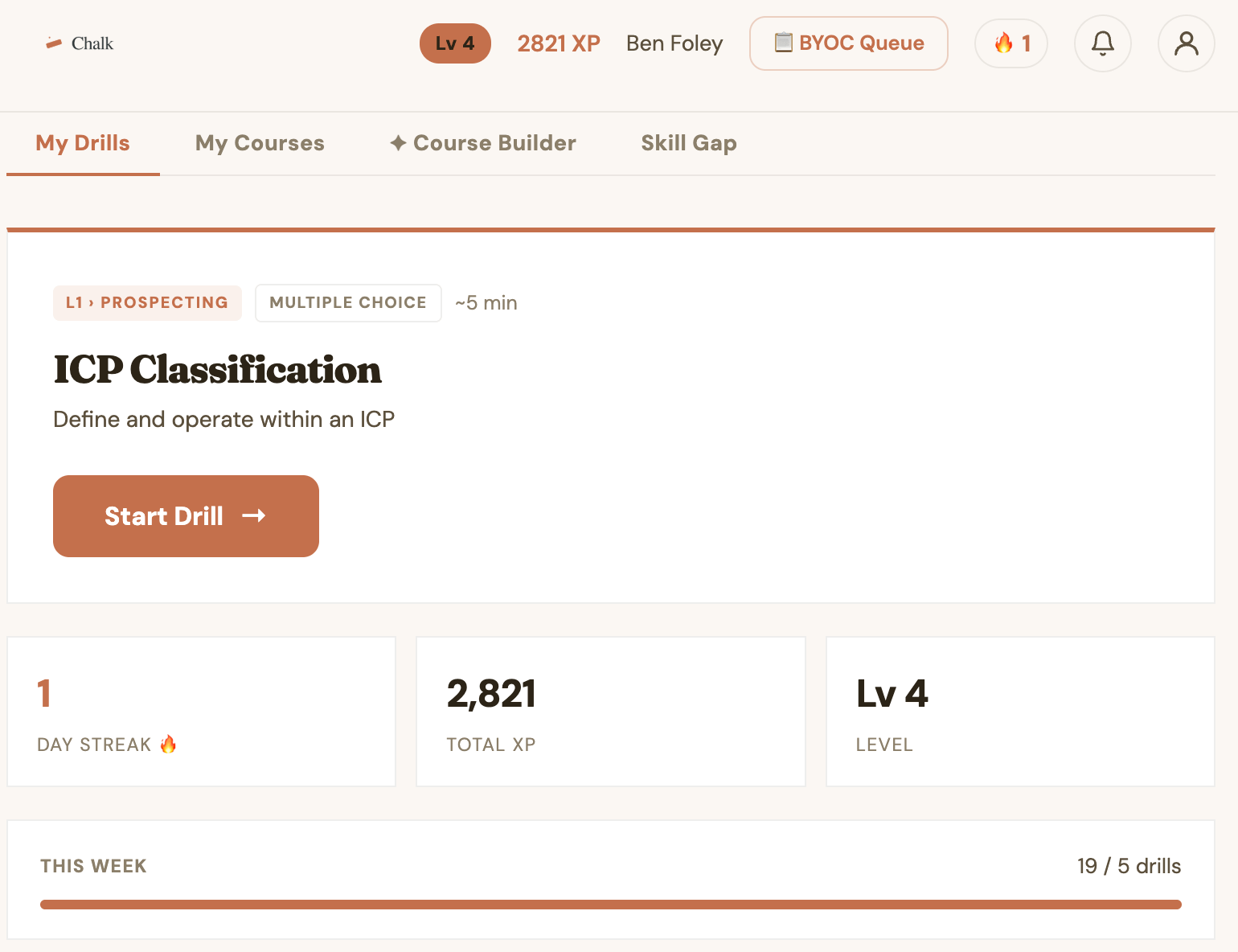
Chalk works like this. Every day, a rep opens the app and does a 5-minute drill. It’s tied to the actual stage of the sales process they’re in — pre-call prep, discovery, champion building, demo delivery, post-demo follow through.
The AI analyzes their responses over time and figures out where their actual gaps are. Not where they think their gaps are. Where they actually break down. Then it builds them a personalized path. One rep is doing advanced discovery drills because they’re solid on the basics. Another rep is back to fundamentals because the AI caught that they don’t actually know how to find a real champion.
Managers log in and see a leaderboard — not of quota attainment, but of skill development. Who’s practicing. Who’s improving. Where the gaps are — before those gaps show up as lost deals.
The research behind it
There’s a 40-year-old study called Bloom’s 2 Sigma problem. Benjamin Bloom found that students who got one-on-one tutoring performed two standard deviations better than students in a regular classroom. Two standard deviations. The difference between an average student and a top 2% performer — just from the format of the learning, not the quality of the content.
You can’t give every sales rep a personal coach. It doesn’t scale. What you can do is use AI to deliver that kind of individualized, adaptive practice at scale. That’s what Chalk is.
Step 5: How I thought about pricing
I made the free tier permanent on purpose.
The best salespeople are always trying to get better on their own. They don’t wait for their company to buy them training. If I can get a rep using Chalk on their own and they love it, eventually their manager sees the leaderboard and wonders what it is. That’s how the team plan gets sold — not from me cold-calling VPs, but from a rep inside the company becoming a champion for the product.
That’s the flywheel.
Free: 1 drill per day, forever. No credit card. Unlimited drills, full AI gap analysis, personalized path.
What I’d do differently
Talk to 20 people before building anything. Not 4. Not 8. 20.
Start the Substack six weeks before I started building so I had a real audience when it launched.
Nail the outreach message earlier. The template above would have saved me a lot of awkward intros.
Build even less at first. The first version had too much. I should have launched with just the drill experience and gotten that right.
Okay. Go build something.
You don’t need to be a developer. You don’t need funding. You don’t need permission. You need a real problem, a list of 20 people who have that problem, and the willingness to have honest conversations before you touch any tools.
The tools are easy now. What used to take a team and six months takes one person and six weeks if you use the right stack. The hard part — the part that actually matters — is finding out what’s true before you build.
If you work in sales and want to try what I built, go here. Free. Always will be. No credit card.
Five minutes a day. Real skill development. Built for people who actually want to get better.